

Leather Care
Leather Restoration Guide for Beginners
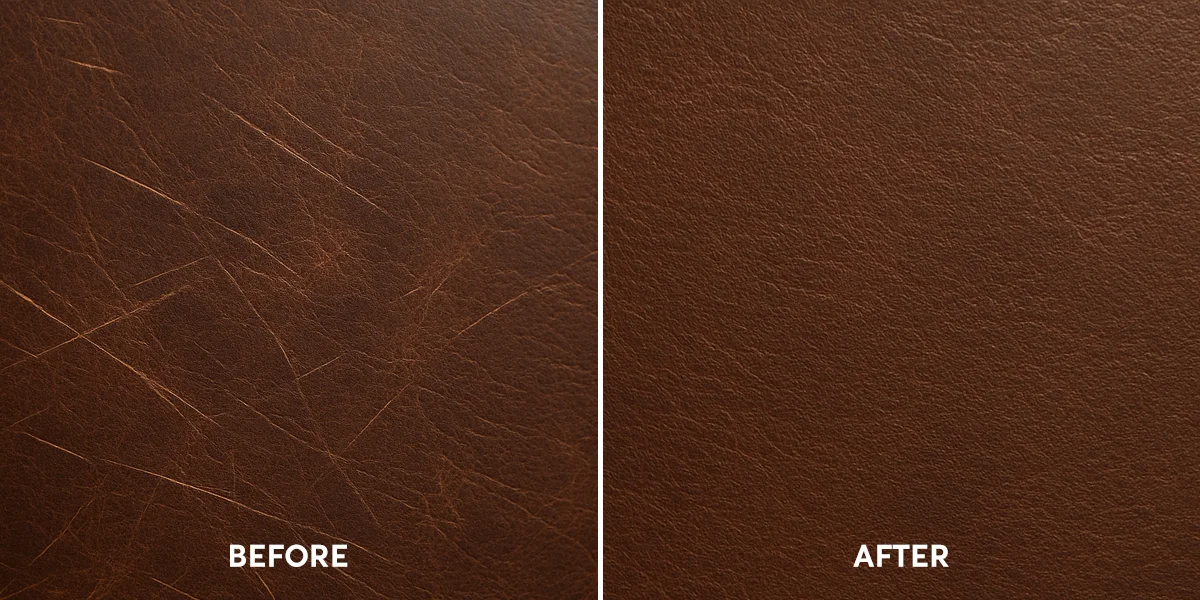
Leather items were introduced years ago for their warmth. However, now they’re popular for their versatility and durability and are found in almost everyone’s wardrobe, from women’s leather shoes to men’s leather jackets. But just like any other item you own, it requires TLC to maintain its shape. And if you’re here to learn the leather restoration process, keep up with this mini guide.
Before you go further, it’s important to know why maintaining leather is so crucial…
Anyone who owns leather goods should know how to restore them properly. Contrary to that, many either don’t have enough time or won’t pay attention to cleaning it regularly, which is why it leads to wear and tear.
Many people only take care of their leather when it’s brand new, but after a few weeks, it’s often completely forgotten about. That’s why knowing how to restore leather, especially when it’s been tucked away under old trunks, is essential.
Now let’s jump into the business, and that is…
How to Restore Leather at Home Step by Step
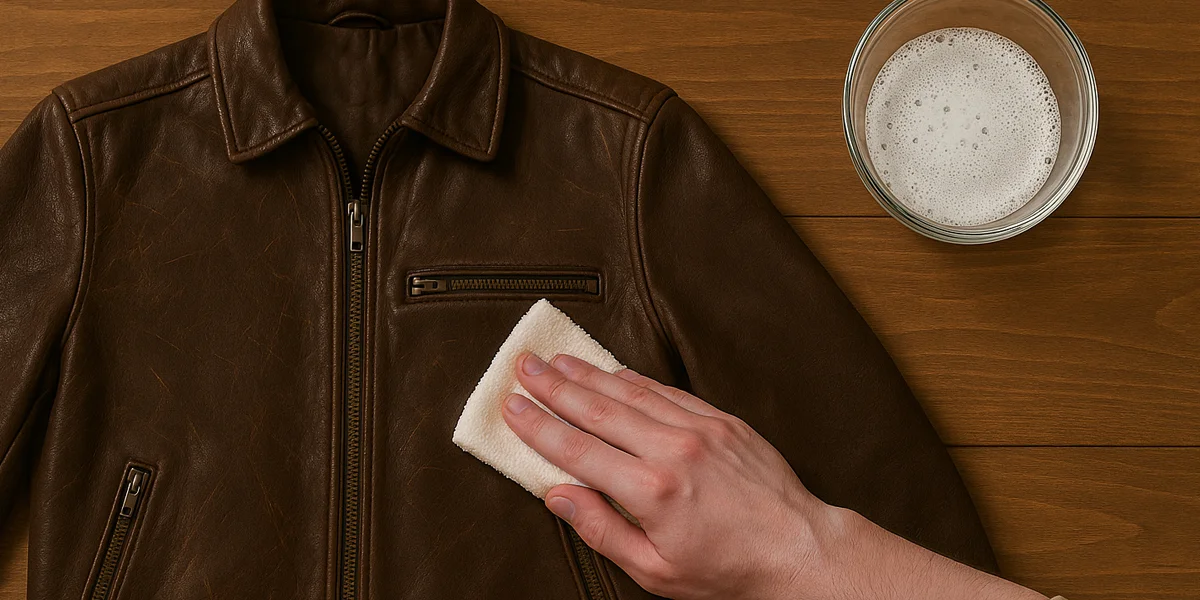
Leather restoration can give your leather item a new life. Be it a woman’s leather jacket or men’s leather shoes, or any sort of piece, proper restoration helps it stay fresh and practical for decades.
So, to make your leather product stay the same, let’s see how to revive leather without damaging it further.
- Check Thoroughly
Look for the damage – scuffs, cracks, and even faded shade. You can apply leather conditioner to overcome small and light cracks. However, for deeper ones, go for leather filler.
If the color has gone dull, you can go for leather balm in the same shade to bring back the richness. Once you’ve assessed the damage, leather reconditioning becomes much easier. - Conditioning the Leather
Now, in the third stage, remember to only opt for a good-quality leather conditioner for your leather item. It soaks into the leather, keeping it flexible and preventing future cracks.
Take a small amount of conditioner on a soft cloth and rub it gently on the leather surface in circular motions. Leave it overnight, then buff it gently with a clean cloth to bring out a soft shine and smooth it out.
Important! Regular conditioning is important for how to revive leather, especially during the dry season. It helps keep the leather sturdy and long-lasting. - Bringing Back the Shine
Once you feel the conditioner is soaked in and has made the leather soft, use a clean, lint-free cloth to wipe it off. This avoids a greasy finish, making it look polished, and also keeps the dirt away.
Remember to buff gently in a circular movement.
By the time you’re done restoring leather, you’re all set to rock your piece, be it a rugged men’s leather bag or a chic leather jacket for women.
Restoring old Leather
Old leather often feels stiff, rough to the touch, and full of cracks. So, if you’re looking for how to restore old leather, the steps remain almost the same, but with a slight change. Here’s what you need to do:
- Clean the leather with a damp cloth and let it dry naturally. Avoid getting it wet.
- Apply a small amount of leather conditioner on the surface and let it sit.
- Repeat the process every few days for better results.
Even though the process is slow and requires patience, it’s all worth restoring old leather.
Why Leather Restoration Matters
- It shapes your body over time.
- With proper care, they can last for decades.
- They’re classic and stay trendy no matter what.
- Leather gets better with time as it develops a unique character.
- Premium leather goods are versatile pieces you can wear with nearly anything and almost anywhere.
Tips After restoring leather
- Keep your leather item in a cool, dry place away from direct heat sources (sunlight or electronics).
- Condition it every few months to keep it soft and supple.
- If it gets wet, blot the excess moisture out using a towel and let it dry naturally.
- Never use harsh chemicals.
- If it’s severely damaged, like deep cracks, loose threads, or large tears, consult a professional who knows how to revive leather.
Frequently Asked Questions
Indeed! Damaged leather, such as minor cracks or scuffs, can be restored through proper maintenance, including cleaning, conditioning, and storing. However, for stubborn marks or deep cracks, professional care is necessary.
Avoid vinegar at all costs, as it is acidic and can damage your leather. Rather, go for a leather cleaner or prepare a homemade water-mild soap solution to remove stains.
Absolutely! Mink oil can remove the scratches from the leather’s surface and bring back its OG form. Whereas coconut oil may be good at first, it will leave dark spots that may seem odd.

Related Posts
How to Polish Leather Shoes for a Lasting Shine
Get a cleaner, brighter look with practical shoe care tips that explain product choices, light [...]
Best Leather Dress Shoes for Men Under $200
The best dress shoes are not for office only. Explore nine leather pairs that work [...]
Suede Shoes vs Leather Shoes and Which One Fits Your Style
See how suede and leather differ in texture, daily use, and style, plus the small [...]
Wear Your Layer Like Celebrities Wearing Leather Jackets
Want that celebrity jacket look? See how the right fit, jacket style, and outfit can [...]
Men’s Leather Vest Outfit Ideas That Actually Work
How to Style Leather Loafers Both Professionally & Casually
Not sure what to wear with loafers? These outfit ideas make it easy to style [...]
Tried And Tested: 10 Best Women’s Shearling Jackets for Winter
Here’s the list of top-chosen women’s shearling jackets, from bombers to bikers, that combine warmth [...]
Get Ready This Season with the 10 Best Shearling Jackets for Winter
This guide covers the best shearling jackets for winter, from classic aviators to modern styles [...]