

Fashion & Style, Leather Jackets
Where Does Leather Come From

Leather has been a staple material in human history, renowned for its durability, versatility, and timeless appeal. But where does leather come from? Simply put, leather is a natural material made from the hides and skins of animals. These hides undergo a complex process to transform them into the luxurious, durable material we know today. The global leather industry has developed into a thriving sector, producing billions of square feet of leather annually. But how does a skin convert into a useable leather material?
Leather’s journey from raw animal hide to finished product involves several steps, beginning with the collection of these hides as by-products of the meat and dairy industries going through various steps to be completed into making a leather jacket or any other product.
It is indeed a tedious process, but in this blog, we will try to understand the entire process of collection from the creation to the final product. Despite this challenging process, leather remains a sought-after material, celebrated for its unique qualities and ability to age gracefully. This is why, leather continues to play a significant role in the fashion industry, credited to its versatility, flexible nature, and appeal.
Where Is Leather Produced?
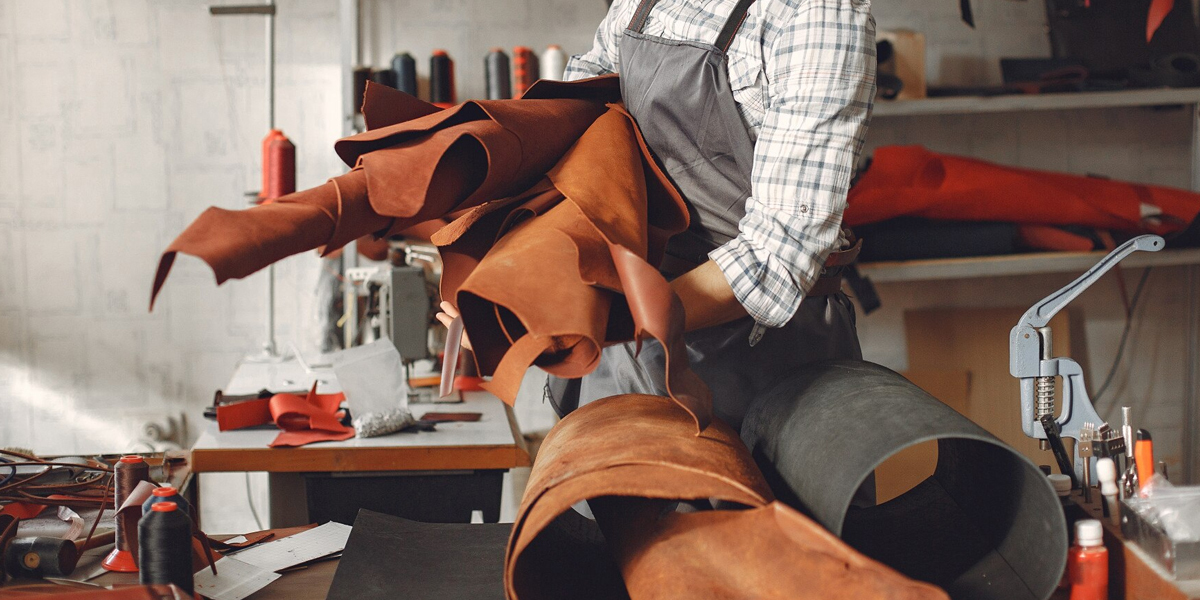
Leather is produced all over the world but some regions excel in creating leather more than others due to their rich heritage, abundant livestock, and high technological development. Understanding where is leather made is often used to determine its quality, sustainability, and market value.
- Asia: Asia dominates the leather production market, with countries like China and India leading the charge. These nations benefit from large livestock populations and cost-effective labor, making them major exporters of leather goods throughout the world.
- Europe: European countries such as Italy and Spain are renowned for their high-quality leather. For example, Italian leather is synonymous with luxury and craftsmanship. The tanneries in Tuscany are particularly famous for their vegetable-tanned leather.
- South America: In South America, Brazil and Argentina are key players in the leather industry, leveraging their vast ranches to supply raw cattle hides and finished leather products.
- United States: The U.S. also plays a significant role, particularly in converting high-quality hides into finished leather products.
Each region brings something new to the table, shaping the global leather industry together.
History of Leather

Leather isn’t a century old, it has been here for thousands of years. Ancient civilizations used leather for clothing, shelter, and tools, appreciating its durability and flexibility. Let’s look at how leather has transformed through the years.
- Prehistoric Era: Archaeological evidence suggests that humans began using animal hides as far back as the Paleolithic period. Those humans used simple drying and smoking techniques to preserve hides. Because, it was crucial for survival, providing protection against harsh weather and creating essential tools for hunting and gathering.
- Ancient Civilizations: The Egyptians, Greeks, and Romans were the ones who refined leather tanning techniques, using oils and plant extracts to create more durable materials. At the time leather was used for footwear, armor, and even parchment. In Egypt, leather was a symbol of status, often used in the adornments of the elite. The Greeks and Romans, on the other hand, developed leather sandals and armor, which became an integral part of their military successes.
- Medieval Period: Leatherwork flourished during the Middle Ages, particularly in Europe. Skilled artisans produced leather for saddles, bookbindings, and clothing. The craft became a respected trade, with guilds forming to protect the interests of craftsmen. Leather was also pivotal in the development of early bookbinding, preserving knowledge and literature for future generations.
- Industrial Revolution: The advent of machinery revolutionized leather production, making it more efficient and accessible. The introduction of chrome tanning, developed in the 19th century, further enhanced the durability of leather. This period saw leather becoming a staple in industrial applications, from machinery belts to workwear, reflecting its essential role in the burgeoning industrial economy.
Types of Leather

Leather comes in a variety of types, each with unique characteristics and applications. Understanding what is leather made from helps distinguish between these types.
1. Full-Grain Leather
This is the highest quality leather, made from the topmost layer of the hide. This means that it retains the natural grain, making it durable and unique. Full-grain leather is commonly used in luxury goods like handbags and wallets. Its stunning and supple leather texture, and is very along with its durability, makes it a favorite for those seeking the highest quality leather products. Additionally, its natural oils allow it to develop a rich patina over time, adding to its allure. The lengthy and technical process of preparing full-grain leather ensures that the hide’s natural imperfections are preserved, making each piece truly one-of-a-kind.
2. Top-Grain Leather
Top-grain leather is slightly modified, with the outermost layer sanded down to remove imperfections. It is more pliable than full-grain leather and is often used in fashion and upholstery. The leather dyeing process enhances its appearance, making it a popular choice for leather garments and leather footwear. Despite being thinner than full-grain, it offers a smooth and tight texture, ideal for elegant finished leather designs. Top-grain leather is favored in the leather industry for its balance of quality and cost-effectiveness, providing a refined finish without the premium price of full-grain leather.
3. Split Leather
Split leather comes from the lower layers of the hide. It is less durable than full-grain or top-grain leather but is more affordable, making it popular for suede jackets and other products. The actual dyeing process can give it a variety of colors and finishes, allowing for versatility in leather goods. While it may not have the same longevity as higher-grade leather, it remains a beautiful and useful material for various applications. Split leather is often used in the production of leather goods where cost is a significant factor, offering an economical option for consumers.
4. Bonded Leather
Bonded leather is a unique type of leather made from the remnants of leather scraps and fibers that are bonded together using adhesives. While it is the least expensive form of leather, it offers a cost-effective alternative for those seeking the leather aesthetic without the high price tag. However, due to its composition of poorer quality hide, bonded leather lacks the durability and premium feel of natural leather. However, it’s important to note that bonded leather may not withstand heavy use and can show signs of wear more quickly than other types of leather.
5. Exotic Leathers
Exotic leathers, derived from animals such as snakes, crocodiles, and ostriches, are highly prized for their unique textures and patterns. These leathers are often associated with luxury fashion, offering a distinctive appearance that sets them apart in the leather trade. The process of preparing exotic leathers is incredibly lengthy and technical, ensuring that these hides maintain their exotic appeal and durability. Due to their rarity and the intricate process involved in their production, exotic leathers are highly sought after by designers and fashion enthusiasts alike. In addition to their aesthetic value, exotic leathers are often used in high-end products such as handbags, shoes, and accessories, where their unique patterns and textures can be showcased.
6. Shearlings
Shearlings are made from sheepskin with the wool still intact, providing a soft, warm texture that is ideal for shearling jackets and coats. Moreover, the natural warmth and comfort of shearling make it a popular choice for winter wear, offering both style and functionality. Shearlings are especially valued in regions with harsh winters, as they provide excellent insulation against cold weather. Due to the wool’s natural properties allow it to wick moisture away from the body while retaining heat, making shearling garments both breathable and cozy.
Process of Making Leather

The journey from raw hide to finished leather is intricate and fascinating. To truly grasp where does leather comes from, it’s essential to understand the steps involved in leather production.
1. Raw Material Collection
The process begins with the collection of hides and skins, primarily as by-products of the meat industry. These raw materials are preserved through salting, freezing, or drying to prevent decomposition. The preservation of these raw hides is crucial to maintain their quality before they undergo the tanning process. The collection process often involves sorting the hides based on size, quality, and intended use. This is to ensure that the best hides are selected for high-quality leather products. Undoubtedly, this initial step sets the foundation for the entire leather-making process, as the quality of the raw material directly impacts the finished product.
2. Tanning
Tanning is the heart of the leather-making process. Because it transforms perishable hides into a durable material. Common tanning industry methods include:
- Vegetable Tanning Mix: Uses natural tannins from plants, resulting in eco-friendly, biodegradable leather. This method is known for producing leather with a rich, earthy color and a firm texture. Which makes it ideal for crafting leather goods with a robust finish. Vegetable tanning is a lengthy process, often taking several weeks. But the result is a stunning and supple leather that develops a unique patina over time.
- Chrome Tanning: A faster process that produces soft, water-resistant leather. However, it raises environmental concerns due to the use of chemicals. Chrome tanning is favored for its efficiency and the ability to produce leather with a smooth and tight texture, suitable for a wide range of applications from fashion to automotive interiors.
3. Dyeing and Finishing
The leather is then dyed to achieve the desired color and treated with finishes to enhance its texture, appearance, and durability. The dyeing process is a critical step in defining the leather’s final look, with the actual dyeing process involving multiple stages to ensure the color is evenly distributed and long-lasting. Moreover, finishes applied to the leather can range from glossy to matte, depending on the intended use and aesthetic preferences. This stage allows for customization, enabling manufacturers to create leather products that meet specific design requirements and consumer demands.
4. Cutting and Shaping
Once treated, the leather is cut and shaped for its intended purpose, whether it’s a jacket or anything else. Skilled artisans or advanced machinery ensure precision in this step. The cutting process often involves using patterns and templates to maximize hide yield and minimize waste. Whereas, artisans play a crucial role in this stage, as their expertise ensures that each piece of leather is utilized efficiently, contributing to the sustainability of the leather industry.
Conclusion
Understanding where does leather come from and the processes involved sheds light on the craftsmanship behind every leather product. By learning about its history, types, and production, we can better appreciate the enduring appeal of leather in our lives.
From luxurious full-grain leather to soft suede, leather’s versatility and appeal remain unmatched. Each type of leather, shaped by its origins and processing methods, carries a unique story. Understanding the materials and methods behind leather production allows us to make more informed choices. As, consumers can appreciate the effort behind every leather product. Whether it’s a timeless custom leather jacket or a stylish bag, leather continues to blend tradition, innovation, and timeless appeal.

Related Posts
How to Polish Leather Shoes for a Lasting Shine
Get a cleaner, brighter look with practical shoe care tips that explain product choices, light [...]
Best Leather Dress Shoes for Men Under $200
The best dress shoes are not for office only. Explore nine leather pairs that work [...]
Suede Shoes vs Leather Shoes and Which One Fits Your Style
See how suede and leather differ in texture, daily use, and style, plus the small [...]
Wear Your Layer Like Celebrities Wearing Leather Jackets
Want that celebrity jacket look? See how the right fit, jacket style, and outfit can [...]
Men’s Leather Vest Outfit Ideas That Actually Work
How to Style Leather Loafers Both Professionally & Casually
Not sure what to wear with loafers? These outfit ideas make it easy to style [...]
Tried And Tested: 10 Best Women’s Shearling Jackets for Winter
Here’s the list of top-chosen women’s shearling jackets, from bombers to bikers, that combine warmth [...]
Get Ready This Season with the 10 Best Shearling Jackets for Winter
This guide covers the best shearling jackets for winter, from classic aviators to modern styles [...]